





Environmental sustainability in the digital environment is becoming as important a priority as it is in real life. Websites that operate efficiently consume fewer resources, load faster, and reduce their carbon footprint. In this article, we will look at how to create a digitally sustainable website and why choosing green hosting is an important contribution to the future. Environmental sustainability in the digital environment is becoming as important a priority as it is in real life. Websites that operate efficiently consume fewer resources, load faster, and reduce their carbon footprint. In this article, we will look at how to create a digitally sustainable website and why choosing “green” hosting is an important contribution to the future.
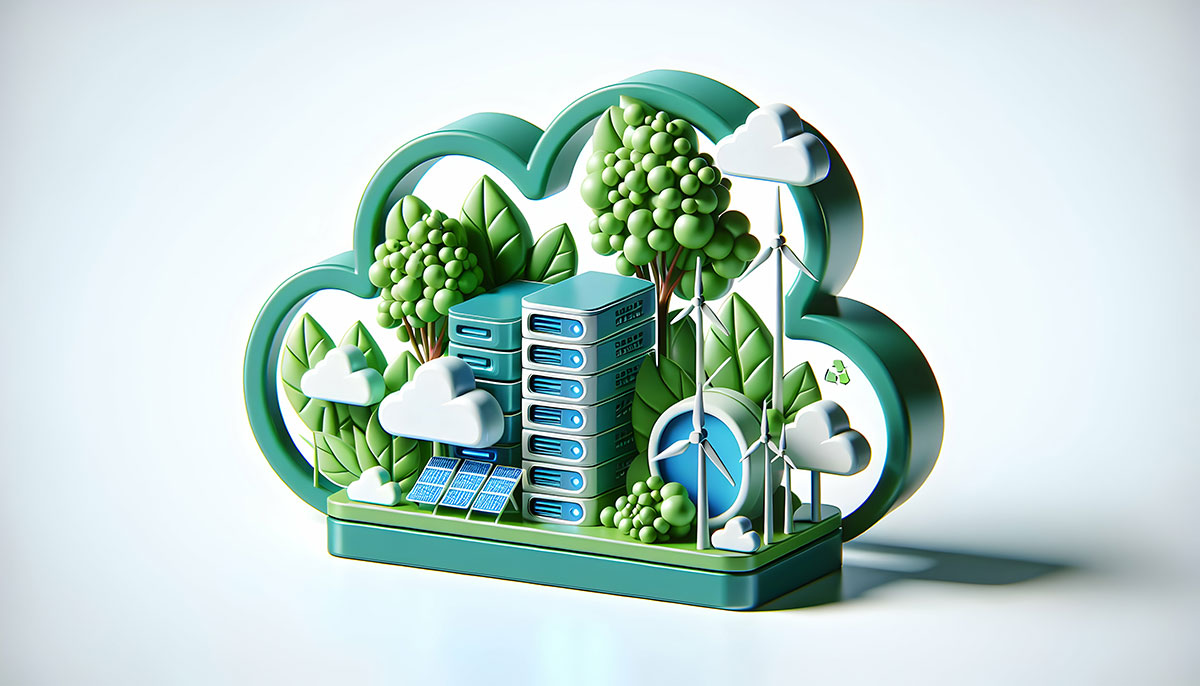
Why it is important to make a website environmentally friendly
- Reducing environmental impact
An optimized website consumes less energy. Every extra megabyte increases the load on servers and, consequently, the carbon footprint. - Increased download speed
Eco-friendly websites work faster because they are lighter and optimized. This improves UX and SEO. - Saving money on hosting
Fewer resources mean lower costs for server infrastructure and maintenance.
Basic steps for creating an eco-friendly website
- Media file optimization
Image compression and the use of modern formats (WebP, AVIF) significantly reduce page size. - Code minimization
Reducing the size of CSS, JS, and HTML helps to reduce the overall weight of the site and speed up its performance. - Using caching
Caching pages and resources reduces the number of requests to the server, which lowers energy consumption. - Choosing green hosting
Eco-friendly hosting providers operate on renewable energy sources or offset CO₂ emissions. - Font optimization
Using local or system fonts reduces the number of requests and speeds up page loading. - Removing unnecessary plugins
Less unnecessary functionality means less load on servers and faster website performance.

How we help
- Website optimization – In-depth analysis of performance, reduction of page weight, caching settings, and content optimization to improve the efficiency and environmental friendliness of the website.
- Website support – Regular technical maintenance, system and plugin updates, load monitoring, and error correction for stable and fast resource operation.
- Server settings – optimization of server configurations, selection of energy-efficient solutions, implementation of green server technologies, and secure migration to eco-friendly hosting.
Tips for website owners
- Regularly check your site speed and optimize media.
- Remove unnecessary plugins and modules that increase page weight.
- Update your CMS and extensions to improve efficiency.
- Monitor the quality of server resources and choose hosting that supports environmental standards.
Conclusion
Environmental website — it's not just about reducing environmental impact. It's about speed, stability, and cost-effectiveness. Website optimization, resource reduction, and choosing green hosting help create an effective and responsible online product. Invest in digital sustainability, and your website will be beneficial not only for your business but also for the planet.
If you want a site that works for your business, order from us:
website optimization | website support | server configuration